How Hormonal IUDs and Nexplanon Contraceptive Implants Work and Differences : A Simple Breakdown
If you’re considering long-term birth control, hormonal IUDs and Nexplanon contraceptive implants are highly effective options that many women trust for reliable contraception. But how do they actually work? Let’s break it down in simple, easy-to-understand terms.
What is a Hormonal IUD?
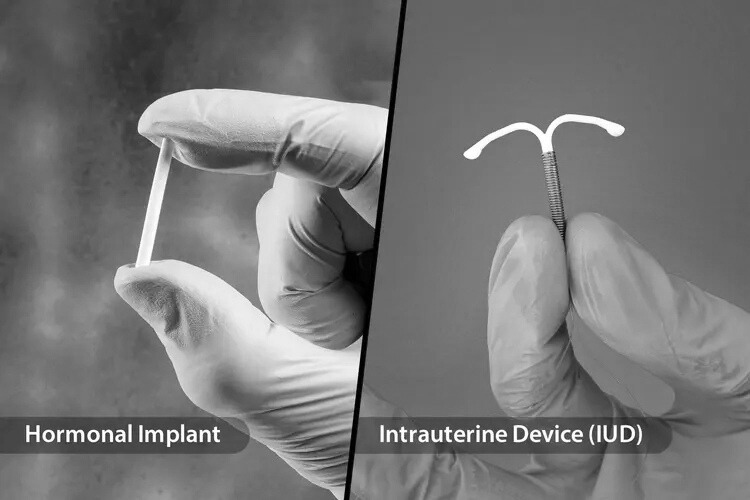
A hormonal IUD is a small, T-shaped device placed in the uterus by a trained healthcare provider, such as at an IUD clinic in Langley. It releases a low dose of progesterone inside the cavity of the uterus, providing effective, long-term contraception for 5 ( Kyleena) to 8 ( Mirena) years and once removed have no long term effects on fertility.
They have minimal systemic (hormonal) effects because the hormone primarily acts locally within the uterus. As a result, hormonal side effects are generally much lower compared with other hormonal methods, such as the pill, patch, or ring, which contain both estrogen and progesterone and exert their effects systemically through the bloodstream.
Mirena can also improve quality of life by reducing cycle-related symptoms and the need for medications such as NSAIDs or hormonal pills. Hormonal IUDs in Canada include Mirena and Kyleena.
What is Nexplanon Contraceptive Implant
The Nexplanon implant is a small, flexible rod placed under the skin of the upper arm that releases a low dose of the hormone progestin into the bloodstream. It is estrogen-free and provides contraception for up to three years. Nexplanon is the most effective form of long-acting reversible contraception and, once removed, has no long-term effects on fertility.
How Hormonal ( Mirena & Kyleena ) IUDs Prevent Pregnancy
Hormonal IUDs work primarily by thinning the lining of the uterus, which reduces the likelihood of implantation and often results in lighter or absent periods, by thickening cervical mucus to create a barrier that makes it difficult for sperm to reach an egg, and by partially suppressing ovulation in some users, providing an additional layer of contraceptive protection .
Because of these mechanisms, hormonal IUDs are over 99.8 % effective at preventing pregnancy.
How Nexplanon Contraceptive implant Prevents Pregnancy
It prevents pregnancy by thickening cervical mucus, which makes it difficult for sperm to reach an egg, suppressing ovulation so that no egg is released each cycle, and thinning the lining of the uterus, reducing the chance of implantation if fertilization were to occur. Nexplanon is highly effective for up to three years and provides a reversible, long-acting form of contraception without involving the uterus and is 99.99% effective.
Hormonal IUD vs. Nexplanon Contraceptive Implant
While both are long-acting contraceptives, there are differences:
- Hormonal IUD ( Mirena or Kyleena) The device is inserted into the uterus at a clinic visit, offering 5 years ( Kyleena ) or 8 years (Mirena ) of birth control
- Contraceptive Implant ( Nexplanon) : A small plastic rod is inserted under the skin of the arm using numbing and provides birth control for up to 3 years.
Both options are reversible and highly effective. Choosing the right one depends on your preferences and medical history, which can be discussed at an IUD clinic in Langley.
Who Should Consider a Hormonal IUD?
Hormonal IUDs are suitable for most women seeking effective, long-term contraception. They are particularly beneficial for those who:
- Want reliable birth control without daily maintenance ( Kyleena)
- Experience heavy or painful periods ( Mirena)
- Desire reversible contraception that can be easily removed ( Mirena or Kyleena)
A consultation at a trusted IUD clinic in Langley ensures the method is appropriate for your health needs.
Who Should Consider a Nexplanon Contraceptive implant ?
The Nexplanon contraceptive implant may be a good option for people who want highly effective, long-acting birth control without having to remember a daily pill but want to avoid pelvic examination/ procedure associated with IUD insertion . It is ideal for those who prefer a hormone-only method, cannot use estrogen, or want a discreet option. The implant is placed under the skin of the upper arm in a quick, minimally invasive office procedure, so there is no need for a pelvic insertion, making it convenient and generally well tolerated.
What to Expect After IUD Insertion
After insertion of a hormonal IUD such as Mirena or Kyleena, it is common to experience cramping and light bleeding or spotting for a few days. Over the first few months, periods may be irregular, with spotting and bleeding between cycles, as your body adjusts to the hormone. With time, bleeding usually becomes lighter and less painful, and some people may have very infrequent periods or no periods at all. This is not harmful and does not mean blood is building up. In fact, reduced or absent bleeding can be beneficial, helping prevent anemia, reduce menstrual pain, and improve symptoms related to heavy or painful periods. Most people can return to normal activities the same day, although rest and simple pain relief can help if cramping occurs. You should seek medical advice if you develop severe or worsening pain, heavy bleeding ( soaking a maxi pad every hour), fever, or foul-smelling discharge, as these are not expected.
Most women experience minimal disruption to daily life. Unlike daily pills, hormonal IUDs offer “set-and-forget” convenience for long-term contraception.
What to Expect After Nexplanon Insertion
After Nexplanon insertion, it’s normal to have some tenderness, swelling, bruising, or mild pain in the arm at the insertion site for a few days. You will be given a pressure bandage to reduce bruising, which can be removed after 24 hours, while a small waterproof adhesive bandage can stay on for 5 days . Keep the area clean and dry, avoid heavy lifting or strenuous arm activity for about 24–48 hours, and expect the implant to be palpable under the skin once healing begins. You can expect changes in bleeding patterns—such as irregular spotting, lighter periods, prolonged bleeding or no periods at all—are common in the first few months. 30 % of Nexplanon users will stop getting their periods - this is not dangerous and is in fact an excellent outcome. Seek medical care if you notice increasing redness, warmth, severe pain, fever, or signs of infection.
Additional Benefits of hormonal IUDs.
Beyond pregnancy prevention, hormonal IUDs can provide relief from:
- Heavy menstrual bleeding : Mirena is often used to manage conditions such as dysmenorrhea, adenomyosis, and endometriosis-related pain.
- Painful cramps ( Mirena)
- Mirena provides endometrial protection for patients using estrogen therapy during perimenopause or menopause.
- Endometrial protection: For women with endometrial hyperplasia or other uterine conditions.
- Potential cancer risk reduction: Studies suggest hormonal IUDs may lower the risk of uterine, ovarian, and cervical cancers, although the exact mechanism is not fully understood.
- These added benefits make hormonal IUDs a valuable option for both contraception and long-term reproductive health.
FINAL THOUGHTS :
Understanding how a hormonal IUD works helps you make an informed decision about your reproductive health. Whether you choose a hormonal IUD or Nexplanon contraceptive implant, professional placement with a provider with lots of experience at a reputable clinic ensures safety and effectiveness.
If you’re looking for guidance or want to discuss which long-term contraceptive is right for you, contact the IUD clinic in Langley today.
